)
)
)
Energy’s expanding role in shaping food and drink businesses
For
many manufacturers, this is changing the role energy plays within the business.
No longer just an overhead, it is becoming a key factor in competitiveness,
influencing everything from production costs and pricing to supply chain
relationships and long-term investment decisions.
Operationally,
the challenge is significant. Energy-intensive processes such as refrigeration,
heating and compressed air remain fundamental to food production, yet
inefficiencies in these systems can go unnoticed without a structured approach.
As margins tighten, there is an increasing focus on identifying where energy is
being wasted and how existing assets can be optimised to reduce cost before
major capital is committed. Energy audits and feasibility studies are
increasingly forming the foundation of this approach, giving businesses the
insight needed to benchmark performance, uncover inefficiencies and make
informed, cost-effective investment decisions.
Alongside
this, the regulatory landscape continues to evolve. Schemes such as ESOS and
SECR are placing greater responsibility on businesses to measure, report and
improve their energy performance. Compliance is no longer a tick-box exercise,
but part of a broader shift towards accountability and transparency across the
supply chain.
At
the same time, the transition to a lower-carbon energy system is opening up new
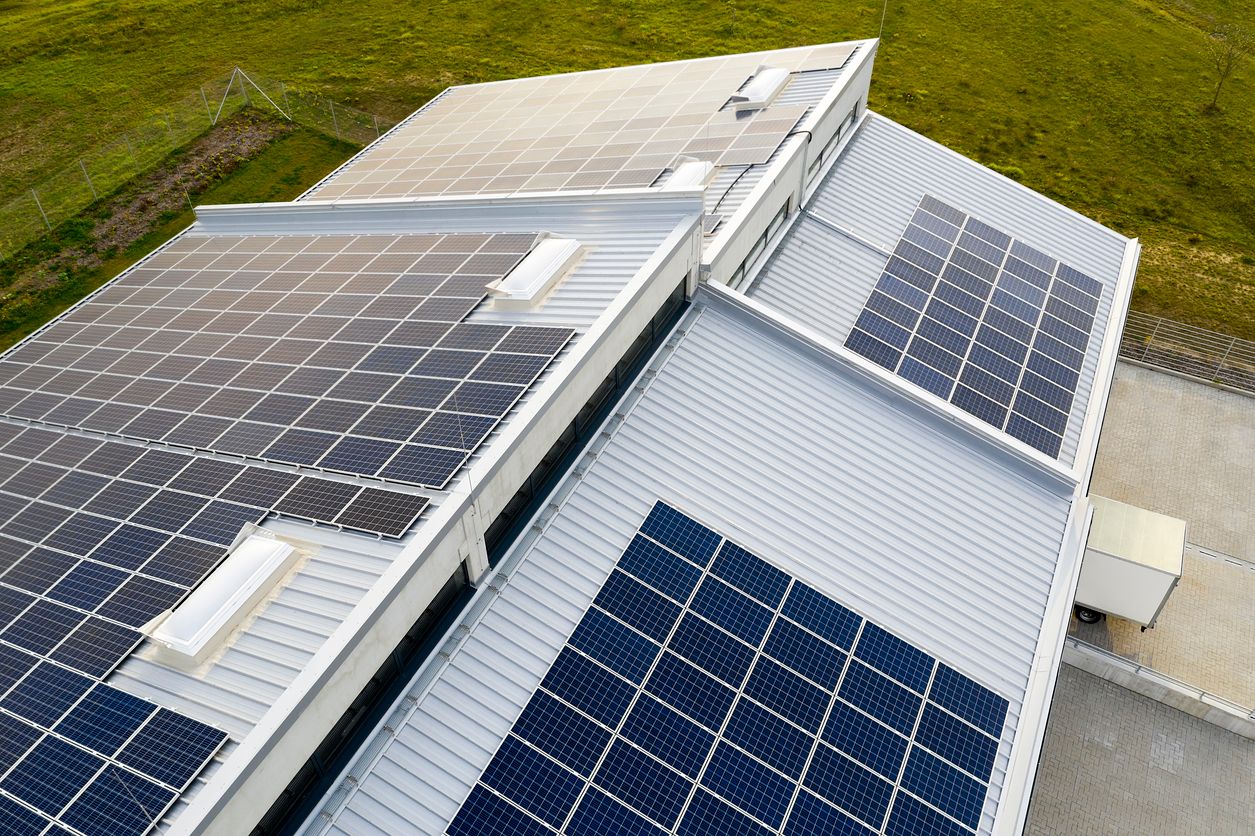
opportunities. Advances in technologies such as solar PV, battery storage and
combined heat and power are making on-site generation more accessible, while
improvements in data and monitoring are enabling more informed, real-time
decision making.
For
visitors, these changes reflect a wider shift in how food and drink is
produced, where energy strategy is becoming increasingly intertwined with
innovation, sustainability and commercial resilience. As the industry looks
ahead, the ability to understand and respond to this evolving landscape will be
critical in shaping the next generation of manufacturing.
And
with the ongoing conflict between the US-Israel and Iran, rising non-commodity
charges energy is set to remain a significant and growing cost. However, with
expert guidance it can become a strategic advantage.
NFU
Energy is one of the UK’s leading, independent energy consultancies supporting
businesses across food, drink, and agriculture sectors. With over 20,000
customers nationwide, NFU Energy combines deep sector knowledge with practical,
commercially focused advice to help organisations reduce cost, manage
compliance and plan for a lower-carbon future.
At
IFE 2026, NFU Energy’s specialists will be available to discuss energy
management, regulatory compliance and renewable technologies tailored to your
organisation. Whether you are looking to improve efficiency, reduce cost,
strengthen ESG performance, or assess on-site generation, visit the team for a
free consultation.
During
the show, one lucky business will win a renewable feasibility study worth
£1,200, a valuable opportunity to take the first step towards understanding
your self-generation possibilities. Be sure to stop by the NFU Energy stand
(N240) to enter.
Visit NFU Energy on stand N240 (in the Manufacturing zone)
)
)