)
)
)
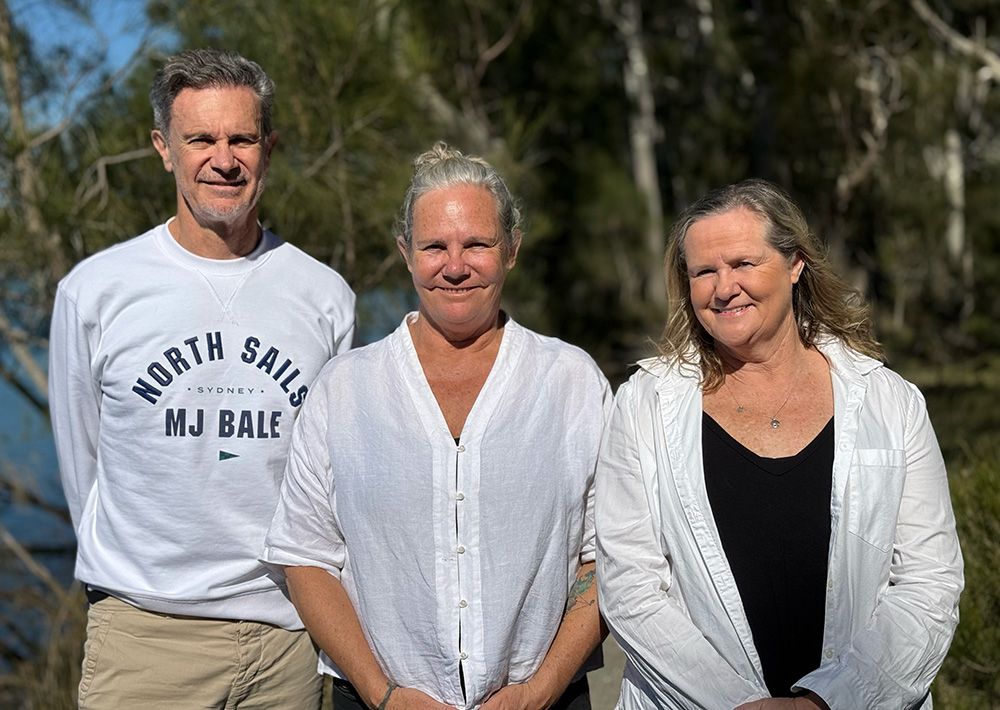
As part of IFE Manufacturing 2026, we’re highlighting the organisations helping food and drink producers navigate sustainability challenges and build more responsible supply chains. At this year’s Certification Clinic, Plastic Collective will be offering practical guidance for manufacturers looking to understand, measure and reduce the plastic associated with their products and packaging.
With growing pressure from retailers, regulators and consumers to improve packaging sustainability, many businesses are looking for credible ways to measure their plastic footprint and demonstrate real progress. In this interview, Plastic Collective’s Sales & Marketing Director Peter Nitschke explains how companies can assess the plastic they place on the market, the role of plastic credits and certified recovery programmes, and why addressing packaging sustainability early in product development can make a significant difference.
For anyone unfamiliar with Plastic Collective, what do you do?
Plastic Collective helps brands measure, reduce, and take responsibility for the plastic they place on the market.
We support companies in two ways: helping them reduce plastic in packaging over time, while also supporting verified plastic recovery and recycling projects today. This allows businesses to address plastic waste now while working towards better packaging solutions.
Many food and drink brands are under pressure to improve their packaging sustainability. Where should manufacturers start when assessing their plastic footprint?
Start by understanding your baseline.
Many companies don’t have a clear overview of how much plastic they use across all products and suppliers. Building a packaging inventory and calculating the total plastic placed on the market is the first step. Once you have that data, you can prioritise the biggest opportunities for reduction.
What does it mean for a company or product to become “plastic neutral”, and how does the certification process work in practice?
The key idea is taking responsibility for the plastic you place on the market.
The process typically starts with measuring the plastic footprint of a product or portfolio. Companies then look at ways to reduce or redesign packaging, and for the remaining plastic they support verified recovery and recycling projects that remove an equivalent amount of plastic waste from the environment. Certification ensures the data and impact are independently verified. However, we have now moved toward “certified recovery” as a claim, as “plastic-neutral” or “plastic net-zero” are not aligned with current green claims legislation.
How can businesses measure the amount of plastic used across their packaging and supply chain?
Most companies start with packaging specifications and supplier data.
By mapping materials, weights, and packaging formats across their product portfolio, businesses can calculate the total plastic they place on the market. Once that footprint is visible, it becomes much easier to prioritise reduction and track improvements over time.
What are plastic credits, and how do they help brands take responsibility for the plastic they put into the market?
Plastic credits represent a verified quantity of plastic waste that has been collected and responsibly managed.
When brands support recovery equivalent to the plastic they place on the market, they help fund waste management and recycling systems, particularly in regions where infrastructure is still developing. These credits are third-party certified in terms of collection volume, social impact and proximity to the ocean.
What role can certification and verified impact programmes play in helping companies communicate credible sustainability claims to retailers and consumers?
Retailers and regulators are increasingly asking for credible, verifiable sustainability claims.
Independent certification provides transparent proof that a company has measured its plastic footprint and supported verified recovery activities. This helps brands demonstrate real progress rather than relying on broad sustainability claims.
What are some of the most common challenges brands face when trying to reduce or offset their plastic use?
One major challenge is data visibility. Many brands struggle to get accurate packaging data across multiple SKUs and suppliers.
At the same time, companies must balance sustainability with food safety, shelf life, cost, and recyclability requirements, which makes packaging changes complex.
For manufacturers developing new products, how early should packaging sustainability be considered in the NPD process?
Ideally from the very beginning.
Packaging decisions made early in product development determine most of the product’s environmental impact. Considering material choices, recyclability, and plastic reduction at the concept stage avoids costly redesigns later.
How are regulations and extended producer responsibility (EPR) policies changing the way businesses approach plastic packaging?
EPR schemes are making companies financially responsible for the packaging they place on the market.
This is pushing businesses to better measure their packaging footprint, improve recyclability, and show how they are addressing plastic waste through both reduction and responsible waste management.
For visitors attending the Certification Clinic at IFE Manufacturing, what kinds of packaging or sustainability questions would you encourage them to bring to the conversation?
We encourage visitors to bring their real packaging challenges.
Whether it’s understanding their plastic footprint, identifying opportunities to reduce packaging, or learning how to support verified plastic recovery, we can help turn sustainability goals into practical next steps.
Find out more at plasticcollective.co.
)
)