)
)
)
Five manufacturing & product development trends that defined 2025
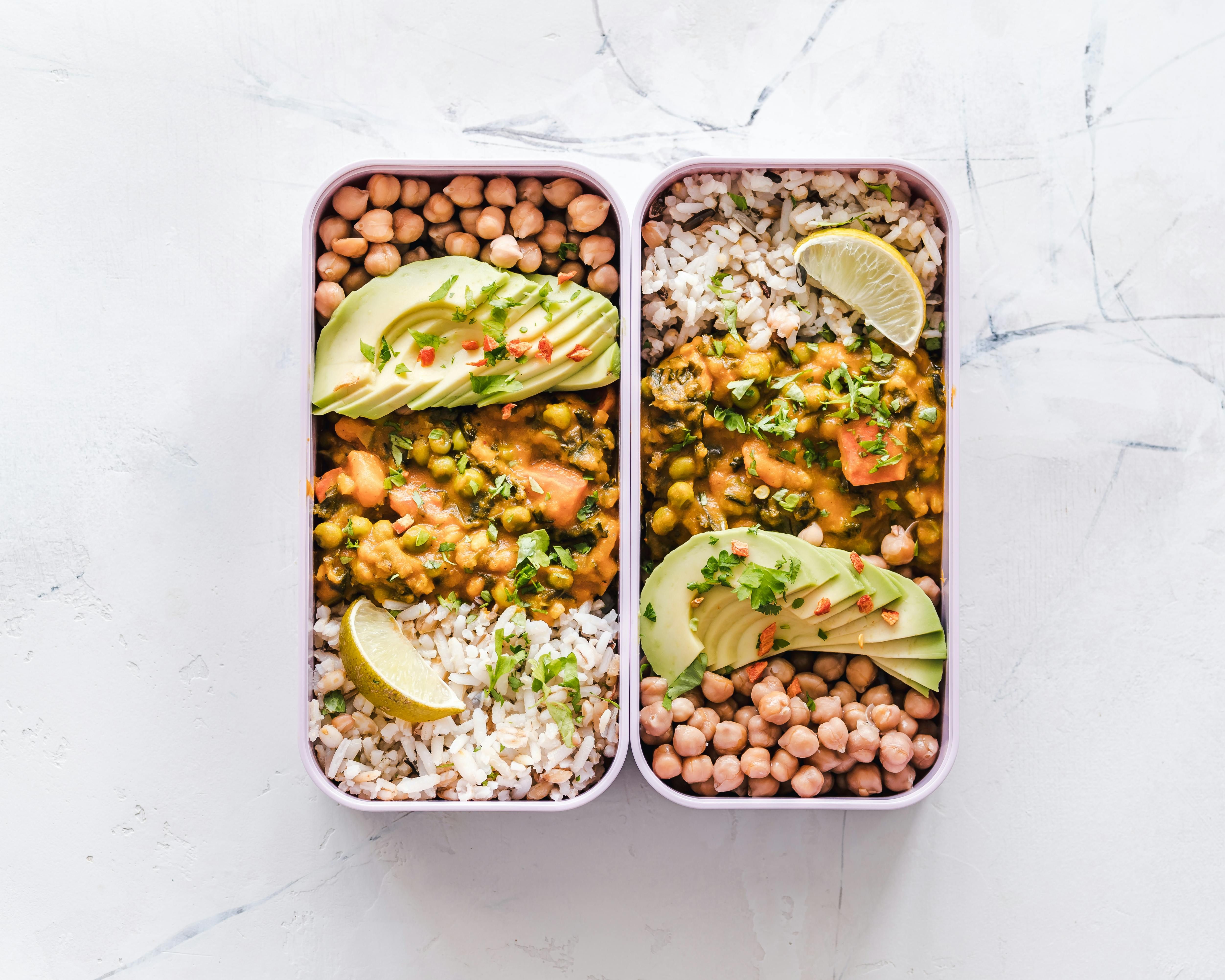
The food and drink sector moved at remarkable speed in 2025. Changing consumer expectations around health, value, convenience and flavour pushed manufacturers to adapt rapidly, with innovation happening across formulation, packaging, processing and ingredient sourcing. For producers, co-packers and suppliers, the past year has revealed clear shifts in how brands approach new product development and what retailers expect from their ranges.
Here are the five manufacturing and development trends that shaped 2025, and the opportunities they’ve created across the supply chain.
1. Protein fortification becomes a cross-category standard
Protein continued its rise in 2025, influencing everything from dairy desserts to bakery and snacking. What began as a sports-nutrition trend is now mainstream, and manufacturers have responded by elevating their approach to protein-rich formulation.
Heat-stable whey and next-generation plant proteins became more widely used, helping manufacturers improve texture and flavour without the graininess or off-notes associated with earlier blends. Extrusion technology also advanced, particularly in plant-based applications where realism of bite and structure remains essential. Even traditional dairy categories saw reformulation, with high-protein yoghurts and puddings retaining strong consumer demand and driving investment in stabilisation and flavour-masking systems.
The shift has required manufacturers to balance functionality with taste more carefully than ever, supporting brands that want strong nutritional claims without compromising indulgence or product experience.
2. GLP-1 drives demand for smaller, nutrient-dense and “smarter” product formats
The rise of GLP-1 medications had a noticeable influence on consumer behaviour, with more people gravitating towards smaller portions and products that deliver more functional value per bite or sip. This had a direct impact on manufacturing priorities throughout 2025.
Brands requested reformulations centred around satiety, fibre, protein and slow-release carbohydrates, prompting manufacturers to rethink product architecture entirely. This created momentum for mini formats—smaller bars, compact confectionery pieces, bite-sized snacks—and for beverages enriched with electrolytes, adaptogens, vitamins and other functional additions designed to support energy and hydration needs.
Packaging shifted too, with single-serve and duo-serve formats gaining prominence in categories traditionally dominated by larger packs. Manufacturers with agile portioning lines and the ability to run smaller test batches became critical partners for brands exploring GLP-1-friendly innovations.
3. Beans, pulses and legumes rise as affordable, sustainable formulation building blocks
Legumes gained remarkable traction as practical, versatile ingredients for manufacturers. Their natural nutritional strengths—high fibre, solid protein levels, clean-label viscosity—aligned perfectly with both consumer values and retailer priorities.
Manufacturers increasingly used beans and pulses as bases for ready meals, soups, dips and ambient dishes. They offered stability without reliance on gums or heavy stabilisers and provided a straightforward path to “better for you” claims. In snacking, lentil and chickpea extrudates continued to perform well, helping brands differentiate with lighter textures and plant-forward positioning.
Legume flours also gained ground in plant-based products, helping improve texture and reduce dependence on more heavily processed binding agents. This trend proved valuable not only for its nutritional upsides but also for its ability to protect margins at a time when many producers faced high raw ingredient costs.
4. Functional beverages and powdered drink systems surge in production
One of the defining growth areas of 2025 was functional beverages, both ready-to-drink and powdered formats. Consumers looked for drinks that deliver benefits beyond hydration, and manufacturers responded with significant investment in technologies that safeguard sensitive active ingredients.
Aseptic and cold-fill lines expanded as demand grew for drinks containing probiotics, botanical extracts, nootropics, collagen and other function-driven additions. Microencapsulation was used more frequently to improve stability, mouthfeel and flavour delivery, especially in products containing caffeine, vitamins or delicate lipids.
Powder manufacturing also accelerated. Stick packs, sachets and hydration powders saw rapid uptake thanks to their convenience, long shelf life and suitability for high-function claims. Protein coffees, collagen lattes, mushroom-based beverages and clean-energy RTDs all performed strongly, demonstrating how the functional drinks space has become a central innovation arena for manufacturers.
5. Elevated comfort food drives innovation in frozen, chilled and ambient lines
Alongside health-forward innovation, comfort-driven categories enjoyed strong demand in 2025. Consumers sought premium yet affordable meal solutions and snacks that delivered restaurant-style flavour without the added cost of eating out, and manufacturers responded across multiple formats.
Frozen bakery was a standout, with investment flowing into laminated dough lines and “take-and-bake” pastry systems. Premium ready meals also grew, supported by improved freezing technology and more stable sauces that maintain texture and flavour after reheating. Dips and spreads followed suit, as whipped cheeses, labneh-style products and bean-based dips captured attention through both convenience and global flavour influence.
Packaging played its part, with recyclable board trays, elevated design cues and transparent lidding films giving familiar comfort foods a premium edge. The commercial winners in this space were those that married indulgence with convenience, strong flavour cues and a sense of everyday luxury.
Across all these trends, several themes consistently emerged: the push for cleaner and more functional formulations; the need for manufacturing agility amid rapidly evolving portion sizes; the rising importance of sustainable, lightweight packaging; and the expectation that even value-led products should deliver premium flavour and texture.
For manufacturers, 2025 was a year that rewarded flexibility, technical capability and speed. Brands relied heavily on suppliers who could accommodate fast iteration, help simplify formulations and support claims-driven innovation.
Keep up to date with all the latest industry trends and innovations by subscribing to the IFE Manufacturing newsletter.
)
)
)